Buying your first home is one of the most exciting and stressful milestones in adult life. It is a massive financial commitment, and the process can seem overwhelming. From saving for a down payment to getting the keys at closing, there are many steps involved. This guide will walk you through the essential steps every first-time US homebuyer needs to know.

Your credit score is the single most important factor in determining the interest rate you will get on your mortgage. A higher score means a lower rate, which saves you thousands of dollars over the life of the loan. Before you start looking at houses, pull your credit report for free from AnnualCreditReport.com. Check for errors or fraudulent accounts that could be dragging down your score. If your score is below 620, work on paying down credit card balances and making payments on time for at least 6 to 12 months.
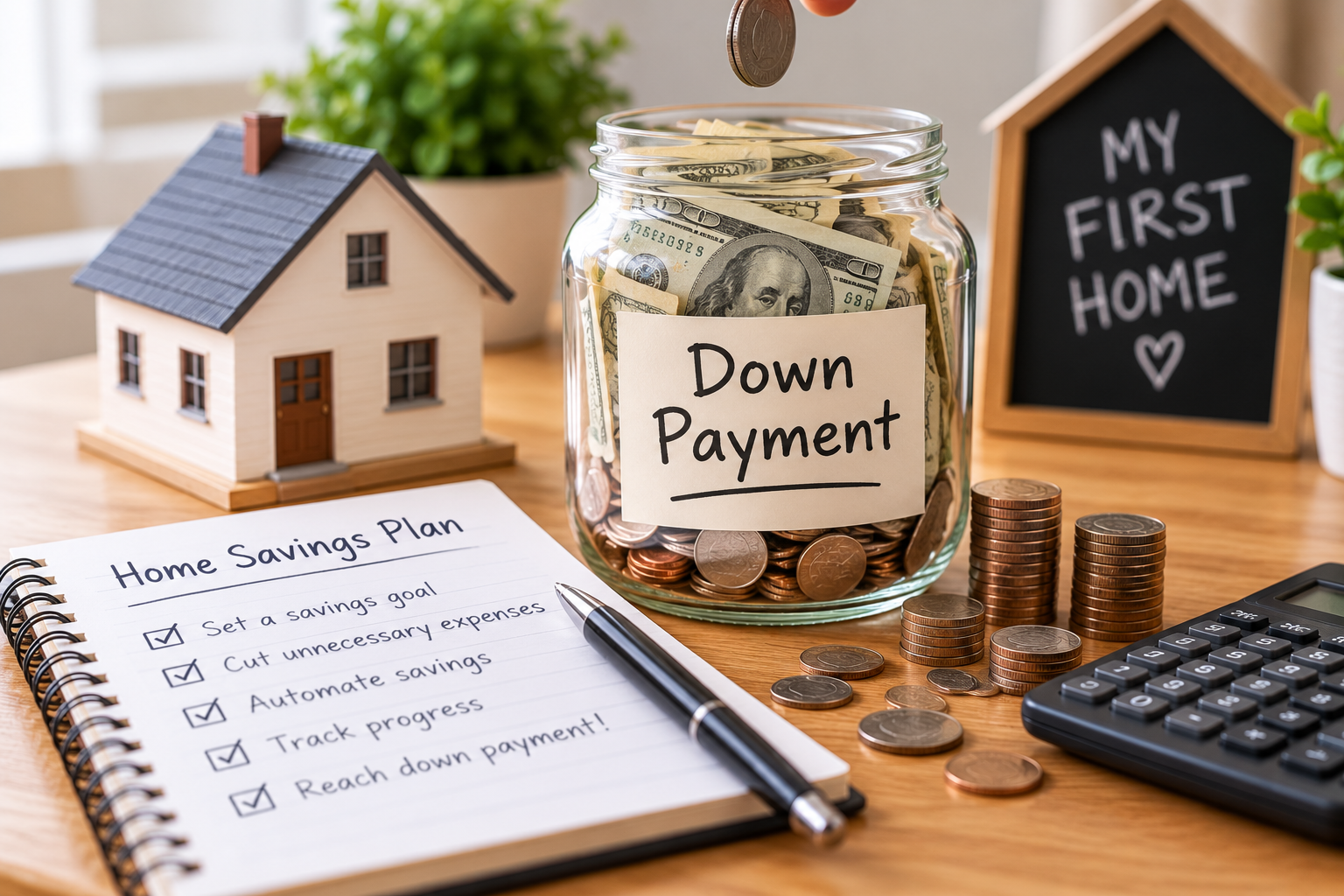
While the traditional 20% down payment avoids PMI and offers the best rates, it is not a requirement. Many first-time buyers use programs like FHA loans (3.5% down) or Conventional loans (3% to 5% down). Some state and local governments also offer down payment assistance programs for first-time buyers.
Crucially, do not forget about closing costs. These are the fees associated with finalizing the mortgage and typically range from 2% to 5% of the loan amount. You will need cash for both the down payment and the closing costs on the day you sign the papers.
A mortgage pre-approval is a letter from a lender stating how much they are willing to lend you. It is based on a verification of your income, assets, and credit score. Getting pre-approved serves two purposes: it tells you exactly what your budget is, and it shows sellers that you are a serious buyer when you make an offer.
In competitive real estate markets, sellers will often not even consider an offer without a pre-approval letter attached. The process involves submitting pay stubs, tax returns, and bank statements to the lender for review.
A good buyer's agent will guide you through the process, help you find homes that fit your criteria, and negotiate on your behalf. In most transactions, the seller pays the real estate commissions, so working with a buyer's agent does not usually cost you anything out of pocket.
Look for an agent who specializes in first-time buyers and knows the neighborhoods you are interested in. Interview at least two or three agents before committing to one.
Now comes the fun part. Create a list of "must-haves" and "nice-to-haves." Be realistic about what your budget can afford. When you find a home you love, visit it more than once—once during the day and once in the evening—to check for noise levels, traffic, and lighting.
Hire a home inspector to check for structural issues, roof damage, and plumbing problems before you commit. An inspection usually costs $300 to $500 and can save you tens of thousands in unexpected repairs.
When you are ready to buy, your agent will help you write an offer. The offer includes the price you are willing to pay, the closing timeline, and any contingencies (such as the sale being contingent on a satisfactory home inspection or the buyer getting approved for financing).
The seller can accept, reject, or counter your offer. Once both parties agree and sign, you are "under contract." At this point, you will typically put down an "earnest money" deposit to show the seller you are serious.
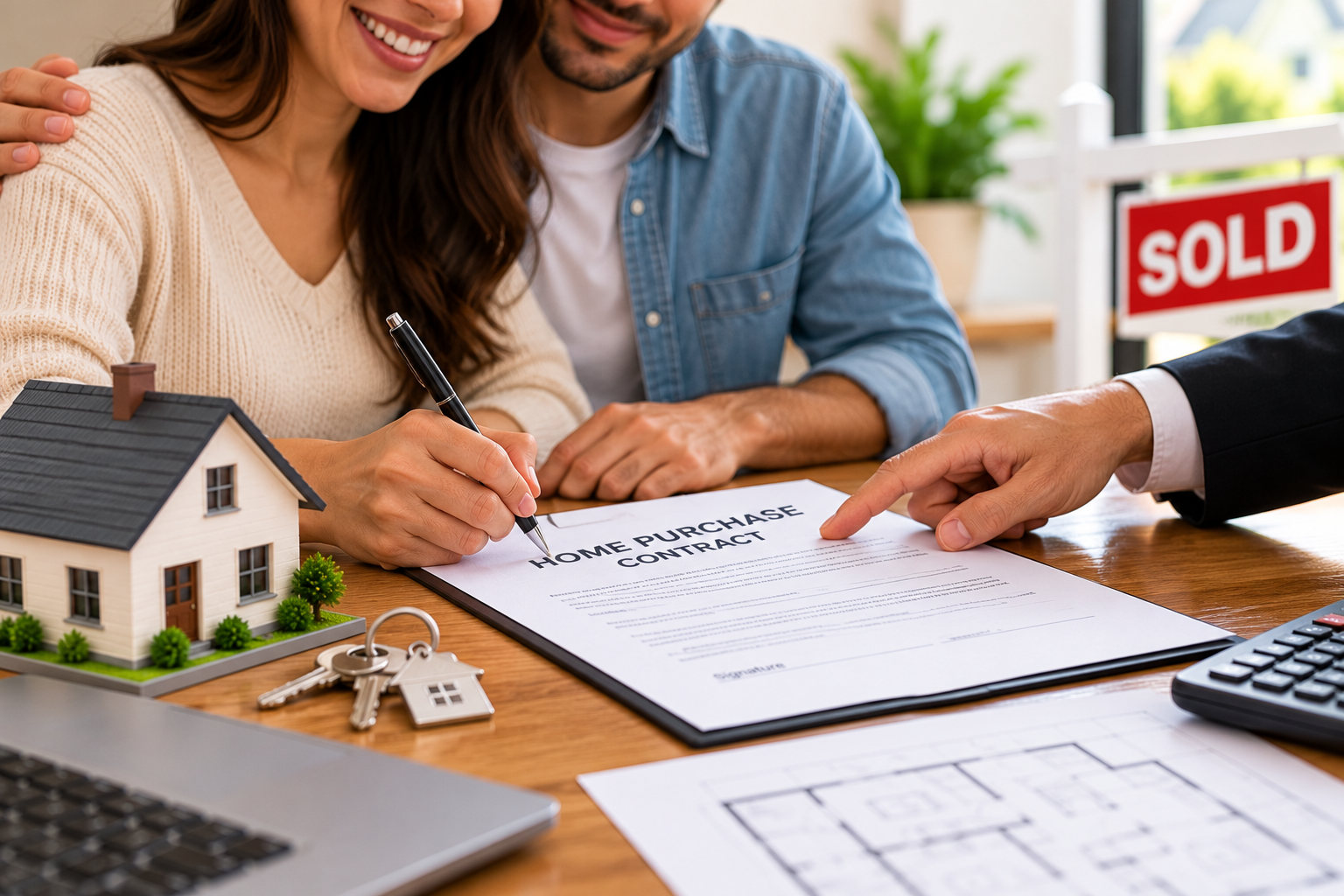
After your offer is accepted, the lender begins the underwriting process. They will verify your employment, review bank statements, and order an appraisal of the home to ensure it is worth the price you are paying. Once the underwriting is complete, you will receive your Closing Disclosure, which details all the final costs. You will then attend the closing, sign the final paperwork, pay your closing costs, and receive the keys to your new home.
Use our mortgage calculator to start estimating your monthly payments today. Knowing the real number will help you set a realistic budget before you fall in love with a house you cannot afford.