When you buy a home, the down payment is not your only upfront expense. You will also need to pay "closing costs"—a collection of fees charged by lenders and third parties to finalize the home purchase. For many first-time buyers, this is the most shocking part of the process. Failing to budget for closing costs is one of the most common reasons buyers are caught off guard at the closing table, sometimes delaying the purchase entirely. Here is everything you need to know about closing costs, what they include, and how to manage them.
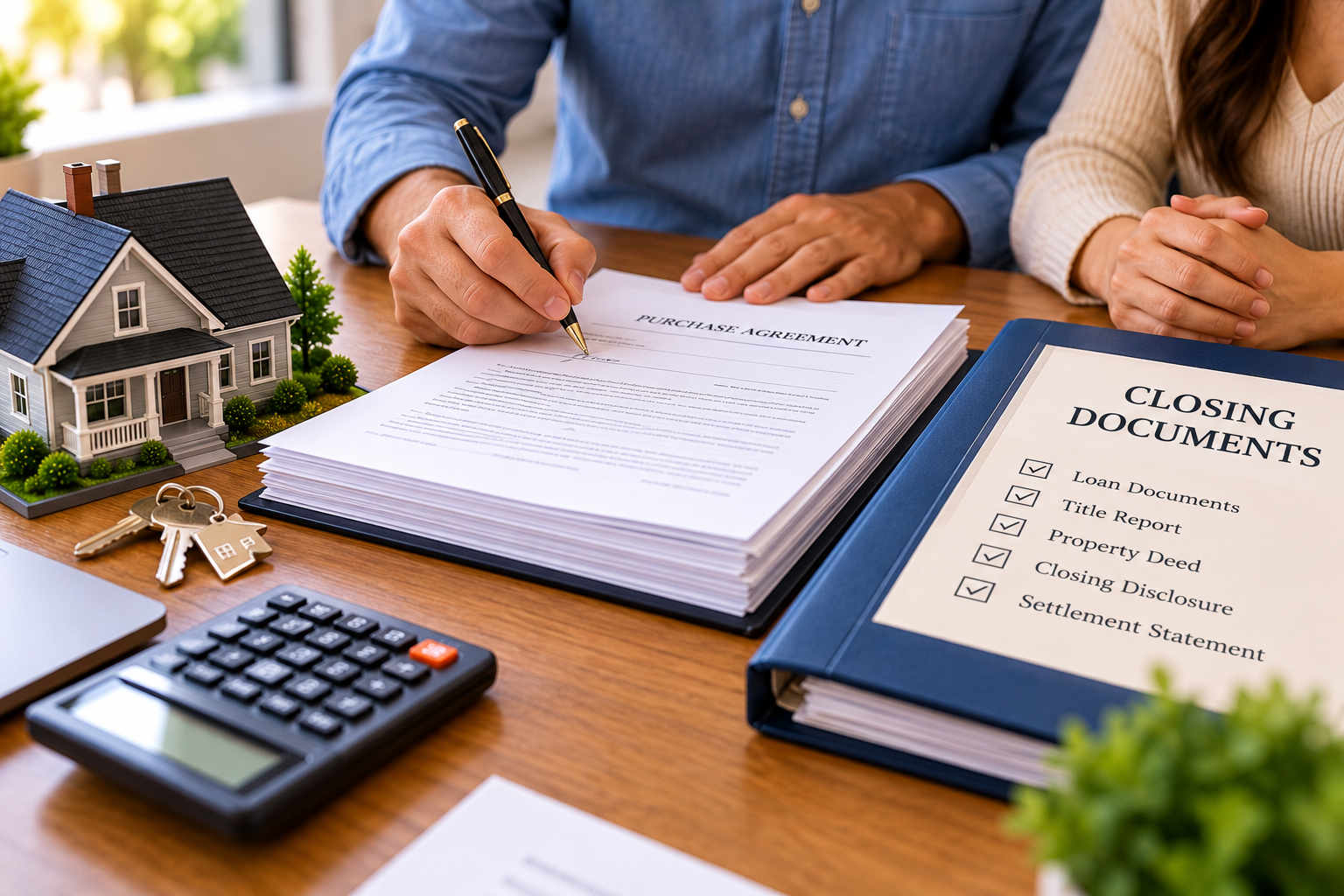
In the US, closing costs typically range from 2% to 5% of the total loan amount. On a $350,000 mortgage, that means you could need anywhere from $7,000 to $17,500 in cash at closing. The exact amount depends on the state you live in, the type of loan you have, and the specific fees charged by your lender and local service providers.
It is critical to understand that closing costs are separate from your down payment. If you put down 10% on a $400,000 home, that is $40,000. You will also need another $8,000 to $20,000 for closing costs and down payment. You must have this cash available in your bank account before closing.
Here are the most common fees you will see on your Closing Disclosure (a document you receive a few days before closing):
This is what the lender charges to process and underwrite your loan. It is usually 0.5% to 1% of the loan amount. You can sometimes negotiate this fee, or choose a lender with lower origination fees, but be careful—a lower fee often comes with a higher interest rate.
Paid to an independent appraiser to determine the home's fair market value. Lenders require this to ensure they are not lending you more than the home is worth. This usually costs $300 to $600.
This ensures the seller actually owns the home and protects the lender from ownership disputes. Title insurance is a one-time fee that can vary widely based on state regulations, often ranging from $1,000 to $3,000 or more.
The cost for the lender to pull your credit score from the three major bureaus. This is usually a small fee, around $30 to $50.
You usually have to fund your escrow account at closing to cover upcoming property taxes and homeowners insurance. This can be a significant chunk of your closing costs because you are essentially pre-paying 3 to 6 months of expenses.
These are charged by your local government to officially record the transfer of the property from the seller to you. Transfer taxes can be substantial, sometimes 1% to 2% of the purchase price, depending on your state or city.
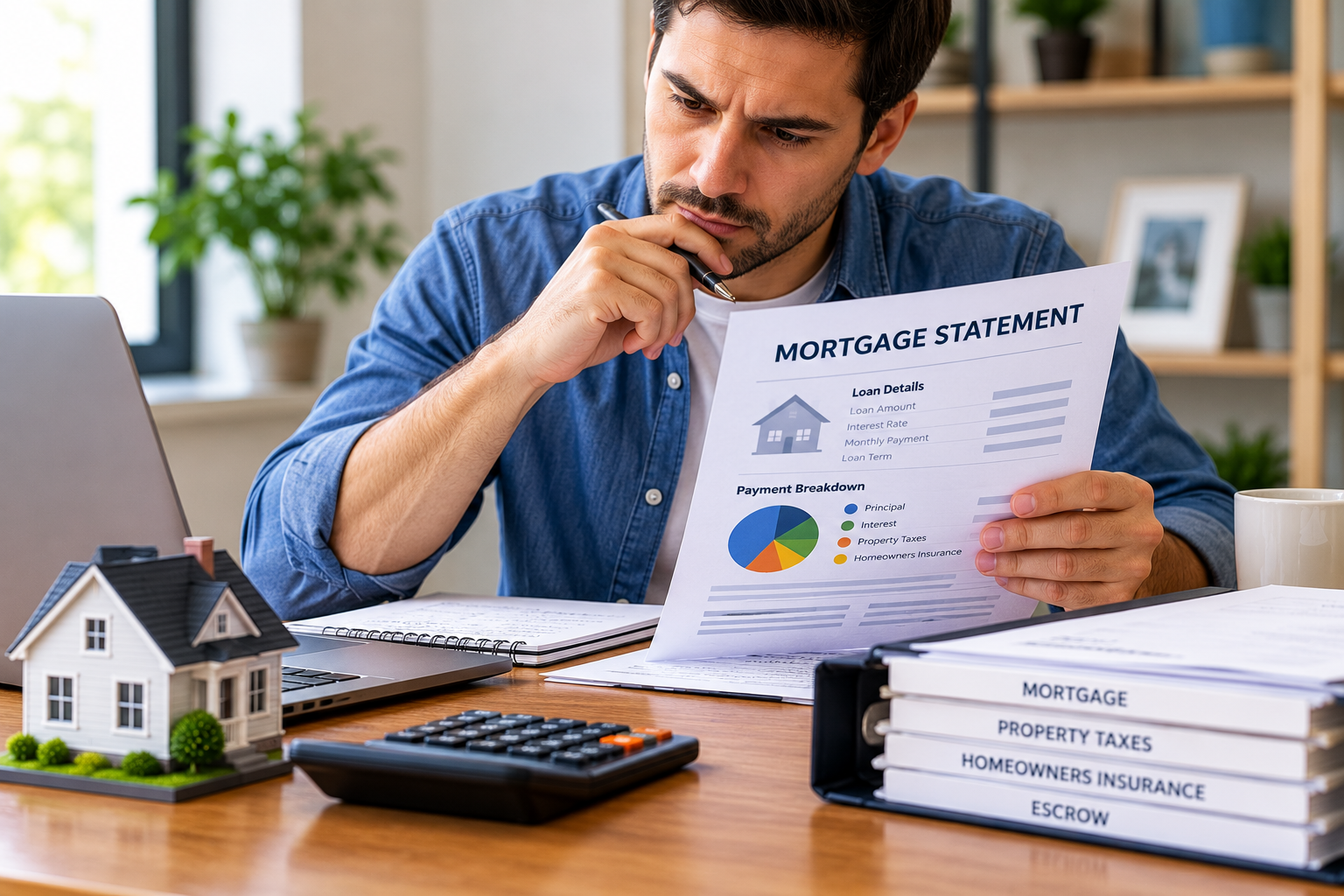
By law, your lender must provide you with a Closing Disclosure at least 3 business days before your closing date. This document lists every single fee you will pay. You should compare it carefully to the Loan Estimate you received when you first applied. If any fees have increased significantly, you have the right to ask your lender why. Do not be afraid to question charges you do not understand. This is your money, and you are entitled to a clear explanation.
Yes, but not all fees are negotiable. While many fees (like appraisal and credit reports) are fixed, you can shop around for title insurance and homeowners insurance. Additionally, if the housing market is slow, you can ask the seller to cover a portion of your closing costs (called a "seller concession") as part of your purchase offer. In a buyer's market, sellers will often agree to pay 3% to 6% of the closing costs to get the deal done.
Another option is to ask your lender for a "lender credit." In exchange for a slightly higher interest rate, the lender will cover some of your closing costs. This is a trade-off: you pay less cash upfront, but more interest over time. It can be a good strategy if you are short on cash but plan to stay in the home for a long time.
Start saving for closing costs as soon as you decide to buy a home. Do not assume the seller will cover them. Get a Loan Estimate from your lender as early as possible so you know the exact numbers. Finally, make sure your funds are "seasoned"—meaning they have been in your bank account for at least 60 days. Lenders will ask for documentation on any large deposits made close to closing.
Use our mortgage calculator to estimate your monthly payment and plan your budget, and always ask your lender for a detailed breakdown of closing costs before you sign anything.