Your mortgage payment is likely your largest monthly expense. When money gets tight, or when you simply want to free up cash flow for other investments, finding ways to lower that payment becomes a priority. Fortunately, there are several legitimate strategies you can use to reduce your monthly housing costs. Here are seven proven methods.

Refinancing is the most common way to lower a mortgage payment. It involves taking out a new loan to pay off your existing one, ideally at a lower interest rate. If interest rates have dropped significantly since you bought your home, refinancing can reduce your monthly Principal & Interest payment. However, you must factor in the closing costs of the new loan. You should only refinance if you plan to stay in the home long enough to recoup those costs through the monthly savings.
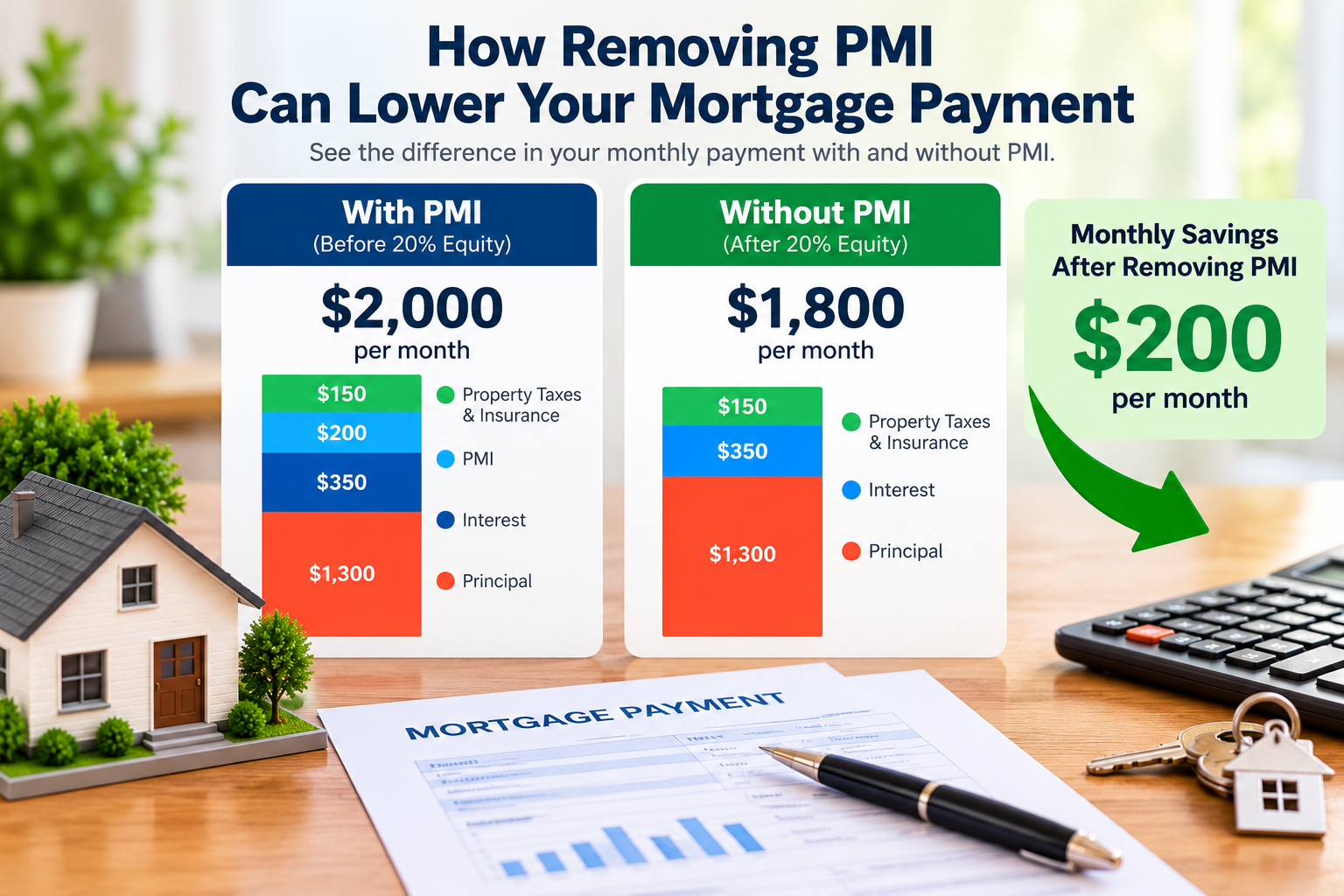
If you bought your home with less than a 20% down payment, you are likely paying PMI. This fee can add hundreds of dollars to your monthly payment. Once you reach 20% equity in your home—either through paying down the principal or through home appreciation—you can request that your lender cancel the PMI. Under federal law, lenders must automatically terminate PMI when your loan balance reaches 78% of the original home value. Removing PMI is one of the easiest ways to instantly lower your payment without refinancing.
Property taxes are often collected in your monthly payment via an escrow account. If your local county has overvalued your home, you are paying too much in taxes. You have the right to appeal your property tax assessment. Look at recent sales data for similar homes in your neighborhood. If you can prove your home is worth less than the assessor claims, you can lower your tax bill, which directly lowers your monthly escrow payment.
The appeal process usually involves filing a form with your local assessor's office and providing evidence. It takes some effort, but a successful appeal can save you hundreds of dollars a year.
Like property taxes, homeowners insurance is usually paid monthly into an escrow account. Many homeowners simply renew their policy year after year without comparing prices. Insurance rates vary wildly between companies. Shopping around and getting quotes from at least three different insurers could save you hundreds of dollars a year, which translates to a lower monthly payment.
Don't be afraid to ask your current insurer for a discount if you find a cheaper quote elsewhere. They may match it to keep your business.
If you have a 15-year mortgage and are struggling with the high payments, you might consider refinancing to a 30-year loan. This will spread the loan out over a longer period, significantly reducing your monthly payment. However, be aware that you will pay much more in total interest over the life of the loan. This strategy is best used only if you are facing financial hardship.
It is a trade-off between lower monthly payments and higher long-term costs. Make sure you understand the math before committing.
A mortgage recast is different from a refinance. It involves making a large lump-sum payment toward your principal balance, and then asking your lender to re-amortize (recalculate) your remaining payments based on the new, lower balance. The interest rate and loan term stay the same, but your monthly payment drops. Recasts often have low fees (sometimes as low as $250), making them cheaper than a full refinance.
This is a great option if you come into a sudden windfall, like an inheritance or a bonus, and want to lower your monthly obligations without changing your interest rate.
If you are facing a genuine financial hardship—such as job loss, medical bills, or divorce—contact your lender immediately. Do not wait until you miss a payment. Lenders have "loss mitigation" departments designed to help borrowers avoid foreclosure. They may offer forbearance (temporarily pausing payments), a loan modification (changing the terms of the loan), or a repayment plan. These programs can temporarily or permanently lower your payment.
Communication is key. Lenders are often willing to work with you if you are proactive and honest about your situation.
Lowering your mortgage payment requires a bit of research and effort, but the savings can be substantial. Start by reviewing your current statement. Use our mortgage calculator to see how different interest rates or removing PMI would affect your monthly cost. By taking a proactive approach, you can keep your housing costs manageable and keep more money in your pocket.