When you take out a mortgage, the default payment schedule is monthly. You make 12 payments a year. However, there is a popular strategy that involves paying half your mortgage payment every two weeks. This is called a bi-weekly payment plan, and lenders often advertise it as a magic trick to pay off your mortgage years earlier and save thousands in interest. But how does it actually work? Is it worth the hype, or is it just a marketing gimmick? Let's break down the math and the pros and cons.
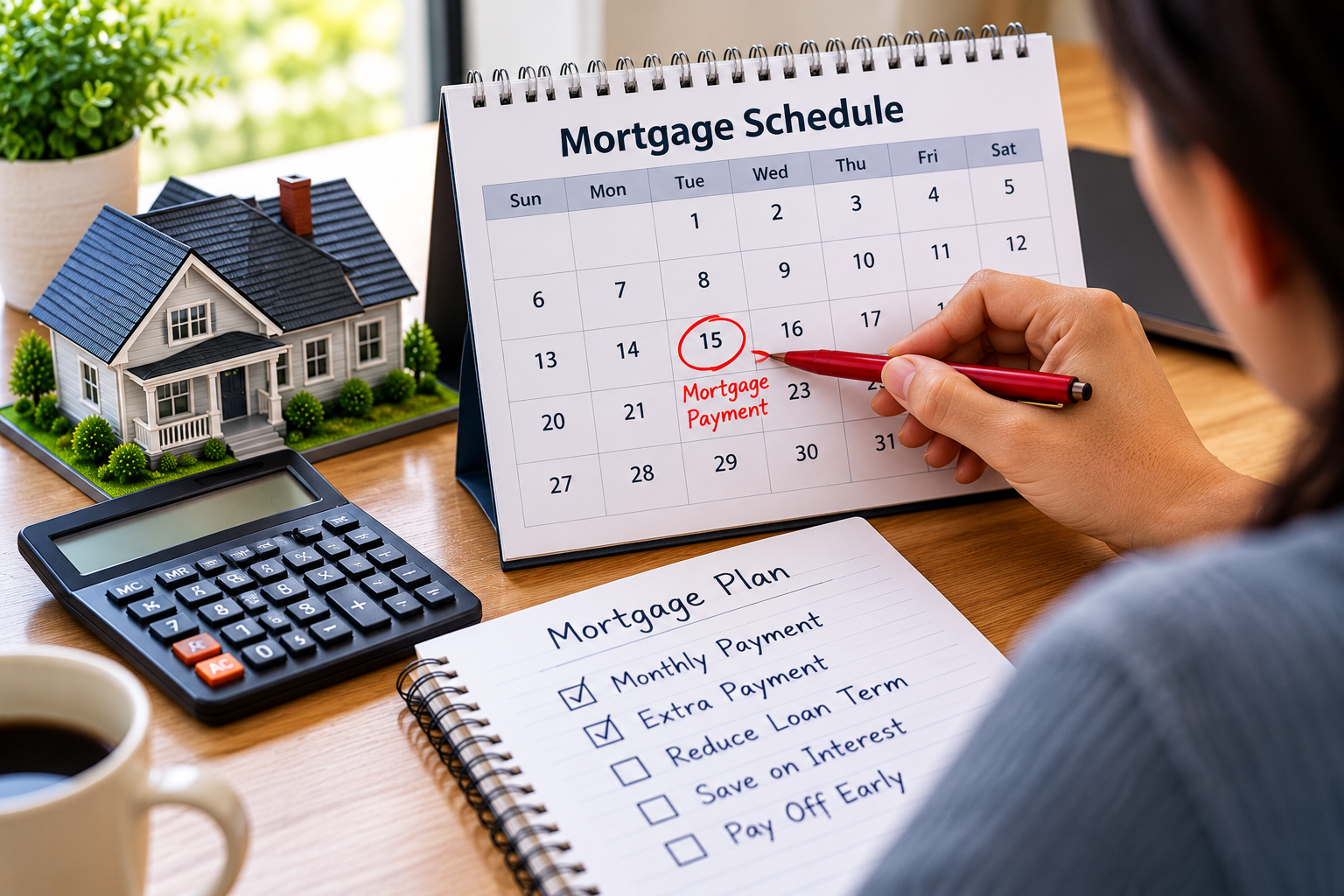
There is no magical formula here; the savings come from simple math. There are 52 weeks in a year. If you pay half your mortgage payment every two weeks, you will make 26 half-payments. Since 26 half-payments equal 13 full payments, you are effectively making one extra full mortgage payment every year.
That extra payment goes directly toward your principal balance. Because mortgage interest is calculated on the remaining balance, reducing the principal faster means you pay less interest over time and pay off the loan sooner. On a 30-year mortgage, making bi-weekly payments can typically shave 4 to 6 years off the loan and save tens of thousands of dollars in interest. You can see this in action on our amortization schedule.
There are two main ways to do this:
Many lenders offer a formal bi-weekly payment program. They will automatically withdraw half the payment from your bank account every two weeks. However, be aware that some lenders charge a setup fee or a per-transaction fee for this service. Over the life of the loan, these fees can eat into your savings.
Instead of signing up with the lender, you can do it yourself for free. Simply divide your monthly payment by 12, and add that extra amount to your regular monthly payment. For example, if your payment is $1,200, add $100 extra to your principal every month. This achieves the exact same result (one extra payment per year) without any lender fees. Just be sure to specify that the extra money goes toward the principal, not next month's payment.
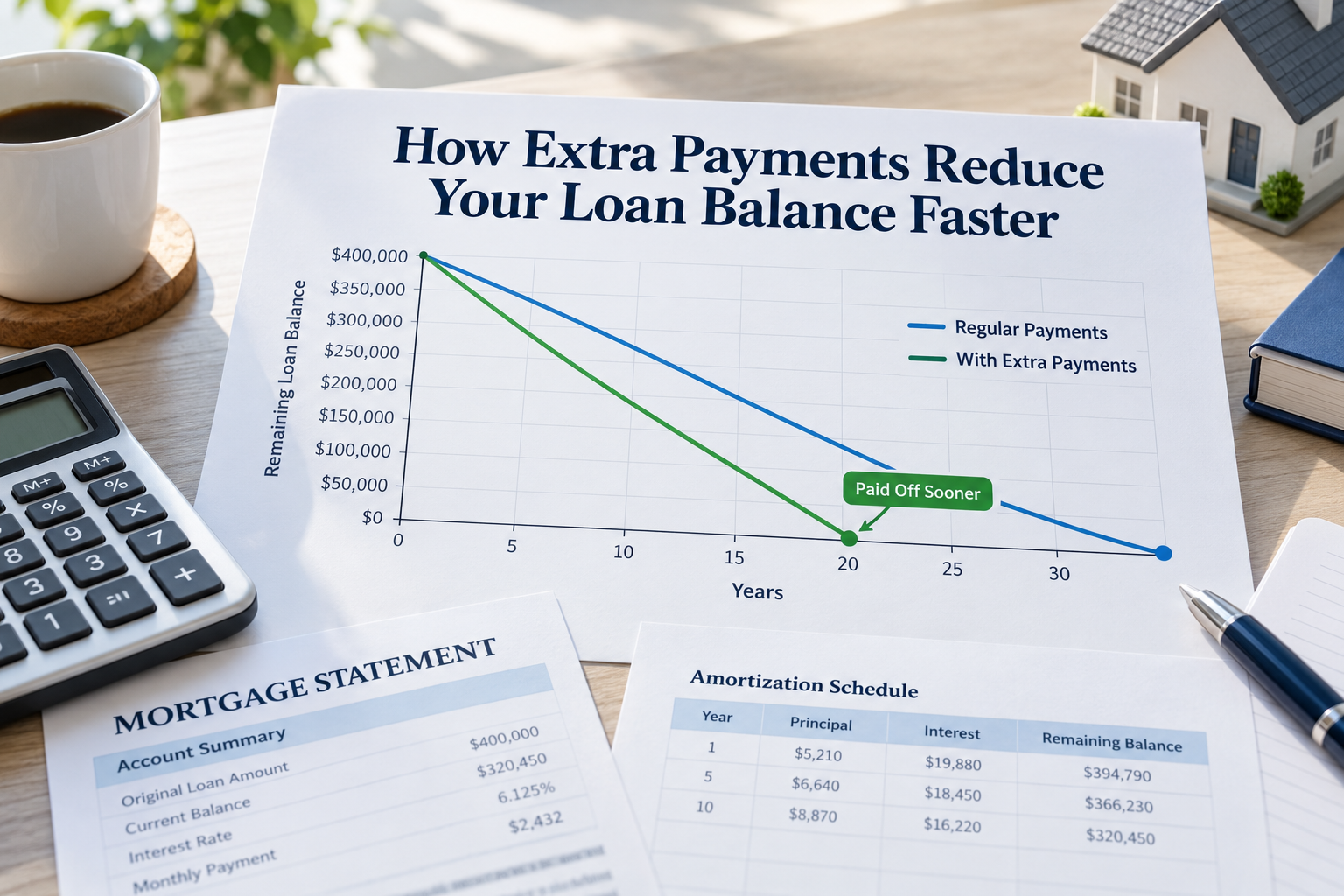
Bi-weekly payments (or simply making one extra payment a year) are an excellent strategy if you plan to stay in the home long-term, have a stable income, and want to be debt-free sooner. However, if you are struggling to make the regular monthly payment, or if you have high-interest credit card debt, focus on those first. It makes no sense to pay off a 6% mortgage early while carrying a 22% credit card balance.
Before starting a bi-weekly plan, contact your lender to ensure that any extra payments are applied directly to the principal balance, not to the next month's payment. You can use our amortization calculator to see exactly how much you would save by making extra payments.
If you are not ready to commit to extra mortgage payments, you can start a "bi-weekly savings plan" instead. Every two weeks, transfer half of a mortgage payment into a high-yield savings account. You will accumulate the equivalent of an extra mortgage payment by the end of the year, but you will keep the cash liquid for emergencies. If you decide you don't need the money, you can make a lump-sum payment toward your principal at the end of the year.